
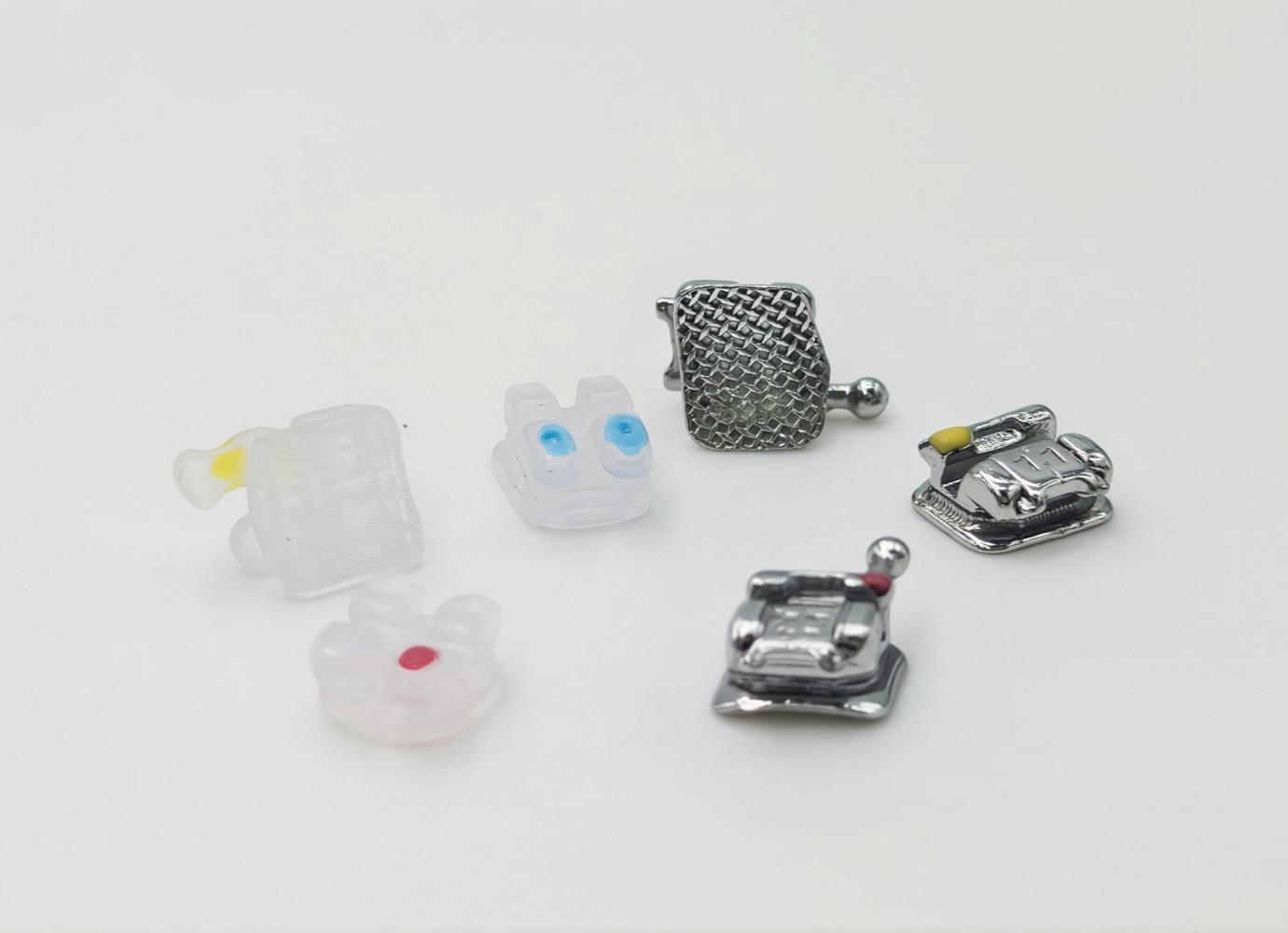
Ceramic and metal orthodontic brackets should be compared by appearance, slot construction, material behavior, bonding and debonding instructions, and repeat-supply compatibility. Ceramic can reduce the visual prominence of the bracket body, while metal provides a visibly metallic fixed-appliance option. Neither material alone establishes treatment speed, slot strength or a safer removal procedure. For clinics and overseas distributors, the useful decision is between documented product configurations, with aesthetic preferences considered alongside wire compatibility, professional handling requirements and verified B2B supply support.
Compare the appliance assembly rather than material alone
The phrase ceramic braces vs metal braces is convenient, but the bracket body is only one part of the fixed appliance. Archwires, ligatures, hooks and auxiliaries remain visible and influence handling. Two brackets made from different materials may also use different base designs and dimensions, making a material-only comparison misleading.
Establish a shared comparison brief first. Specify the nominal slot system, prescription, tooth allocation and planned wire family. Then record differences that cannot be held constant, such as body profile, retention features or slot inserts. This lets the clinical team distinguish a material question from a design difference and gives procurement staff a fair basis for reviewing supplier responses.
Use the orthodontic brackets catalog to identify the product families before comparing individual configurations.
| Comparison point | Ceramic bracket considerations | Metal bracket considerations |
|---|---|---|
| Appearance | Confirm opacity, shade and any visible metal features | Confirm finish and visible profile |
| Material behavior | Ceramic is brittle; use product-specific handling instructions | Check alloy declaration and applicable handling instructions |
| Slot construction | Ceramic contact surface or a separately specified insert | Verify slot geometry and surface condition |
| Slot strength | Request design-specific fracture or loading evidence | Request design-specific deformation or loading evidence |
| Bonding base | Confirm retention geometry and compatible procedure | Confirm mesh or other retention geometry |
| Debonding | Obtain the exact series instructions and instrument requirements | Obtain the exact series instructions and instrument requirements |
| Body dimensions | Request measured profile, width and height | Request the same measurements for a meaningful comparison |
| Repeat supply | Confirm tooth-specific replacement options and labeling | Confirm matching prescription and replacement identifiers |
Aesthetics: tooth-colored does not mean transparent
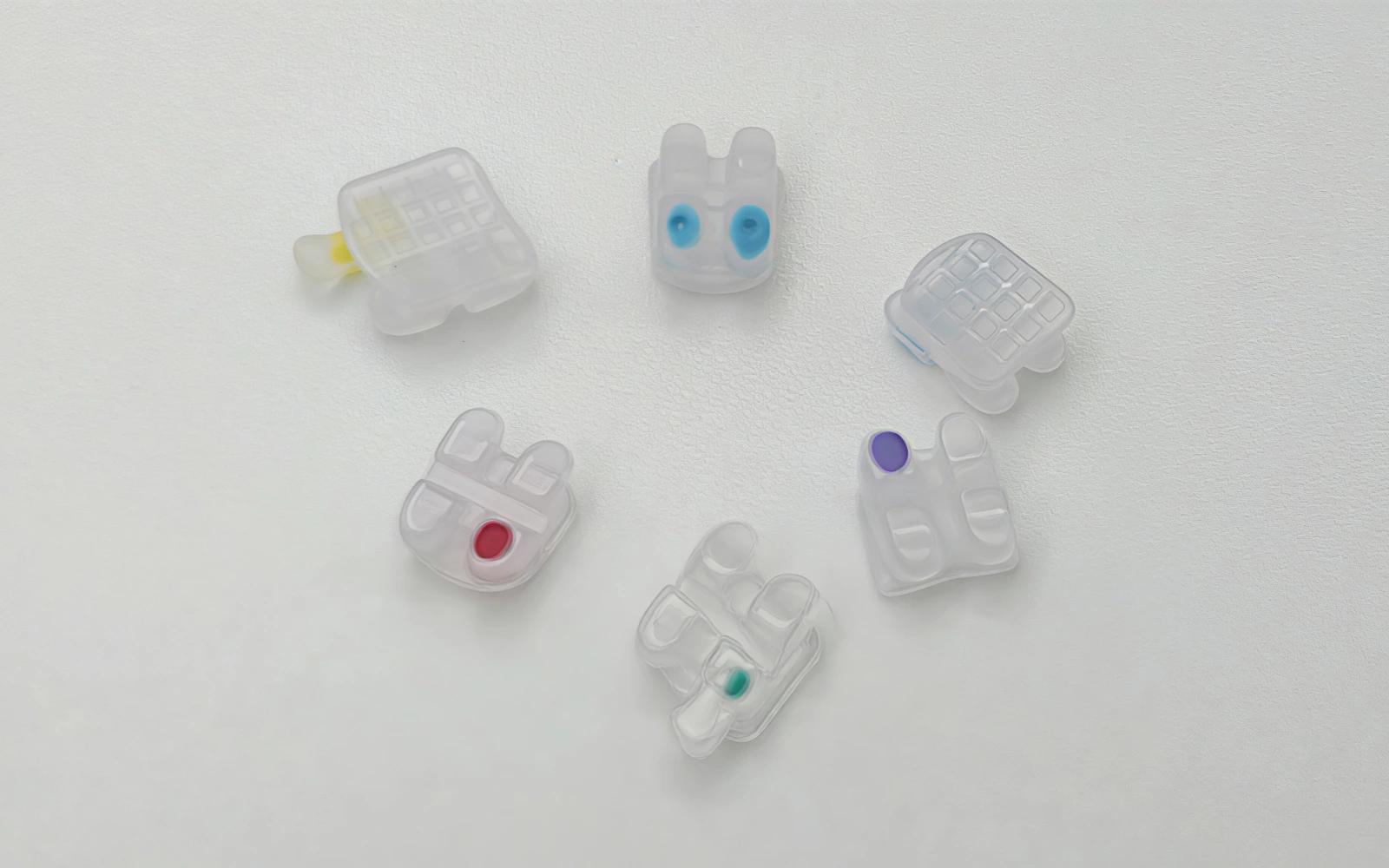
Ceramic orthodontic brackets can be opaque or translucent depending on composition and design. Descriptions such as clear, transparent and tooth-colored are not interchangeable. A clinic should evaluate actual samples against a neutral background and under consistent lighting, especially when patient communication relies on a particular appearance claim.
The current Donlign ceramic bracket listing identifies an ivory-white, opaque conventional series. It should be presented as that option, without implying a transparent or sapphire product. To separate material choice from prescription, ligation and base design, review the metal orthodontic bracket types and selection guide.
Ligatures and archwires can influence the visible result as much as the bracket shade. Review an assembled sample when evaluating an aesthetic line. Ask which components are included in the proposed supply arrangement and which are separate purchases. Avoid promising an invisible appliance or a universal shade match from photographs of a bracket alone.
Structural behavior affects handling and instructions
Metal and ceramic respond differently to stress, but a purchasing comparison should avoid translating material labels into unsupported failure-rate claims. Ceramic brittleness makes product-specific instructions particularly relevant for handling, bonding and removal. The clinician needs access to those instructions before approving a new series, including any instrument requirements and restrictions on use.
Receiving inspection can flag chipped wings, damaged bases or visible surface defects, but it cannot establish long-term clinical performance. For either material, ask what inspection information is available and which acceptance criteria apply. Document the distinction between checking the condition of delivered units and evaluating the design under the clinic's professional protocols.
Distinguish slot strength from sliding behavior
A friction test does not establish the load at which a slot edge chips or deforms. Request the loading direction, specimen geometry and failure criterion for any strength comparison. Without matched evidence for the proposed series, do not assign a universal stronger-slot claim to either material or infer that a metal insert resolves every structural question.
Slot construction matters to the wire interface
Do not assign one friction value to a material family
Frictional behavior depends on the bracket-wire combination, ligation, angulation and test conditions. Some ceramic systems incorporate a metal slot insert, while others do not. That construction detail must be confirmed for the exact series. The presence of an insert also changes the aesthetic comparison and should be shown in product photographs or drawings.
An in-vitro comparison of ceramic and stainless-steel bracket combinations found different frictional resistance among the tested systems. These laboratory results should not be generalized to untested products or converted into a prediction of treatment duration. For a procurement decision, request the actual slot construction and any relevant test method rather than accepting a generic low-friction slogan.
Prescription compatibility still needs verification
A shared Roth or MBT label does not establish identical geometry. Compare tooth-specific values and nominal slot dimensions, especially if the clinic plans a mixed-material setup. The orthodontist should review the intended combination and finishing approach. Procurement staff should preserve distinct product codes so ceramic and metal replacements do not become indistinguishable in the ordering system.
Dimensions and surface finish need direct comparison
Ceramic brackets are not automatically larger, and a polished appearance does not prove a smoother clinical experience. Measure or obtain verified dimensions for the selected series. Important fields include facial projection, mesiodistal width, occlusogingival height, hook projection and the space available beneath tie wings.
Surface finish and friction are also different questions. An external wing can feel rounded while the internal slot has different contact characteristics. The bracket dimension and surface guide separates these checks and explains why neither a photograph nor a single roughness measurement can establish comfort or comparative clinical performance.
Bonding and debonding require series-specific instructions
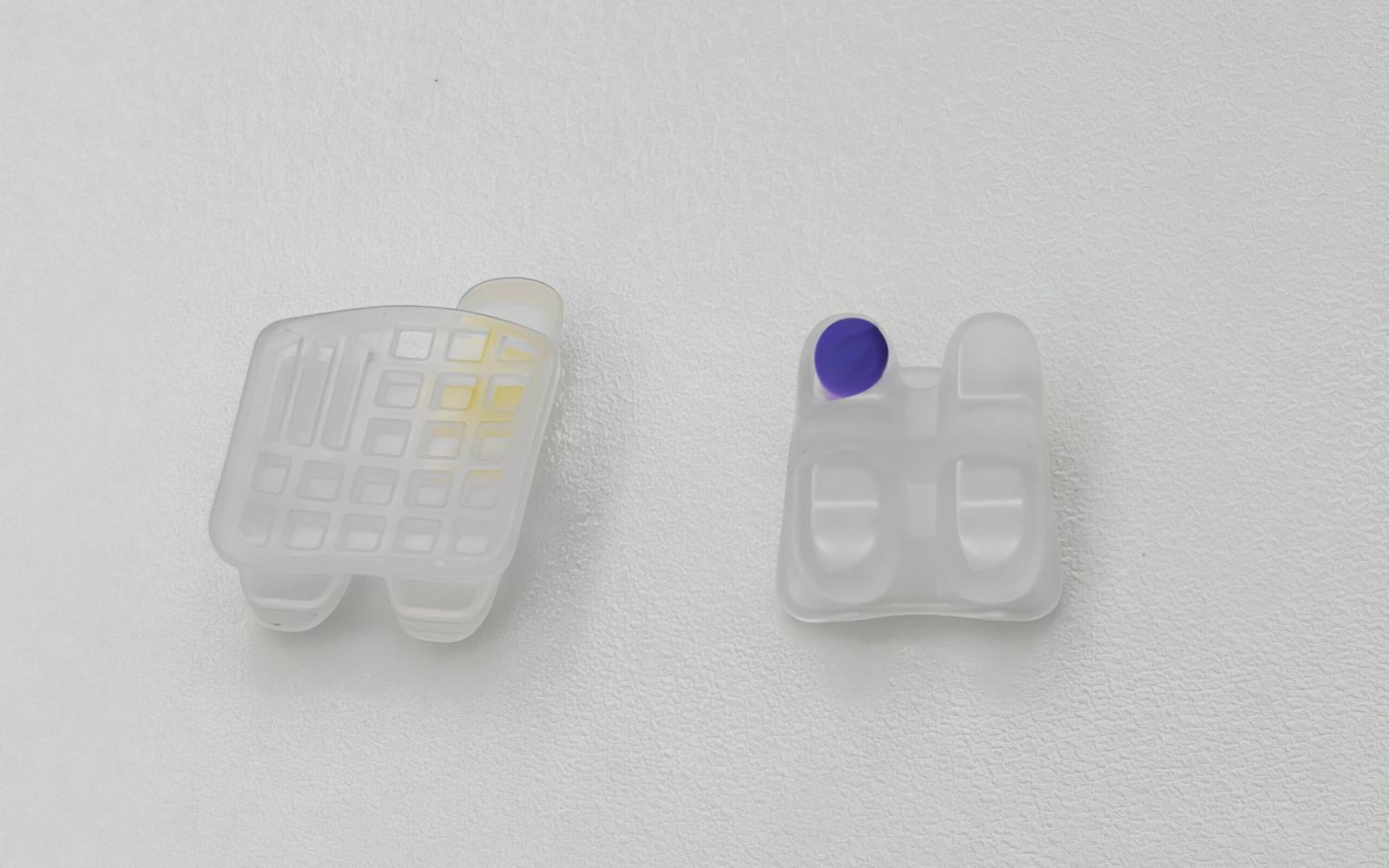
Retention design, adhesive and the prescribed procedure must be evaluated together. An in-vitro study of ceramic bracket debonding examined enamel effects in specific tested systems; its findings do not establish the behavior of an untested Donlign series. Obtain the applicable instructions before approving a product change. Removal and adhesive cleanup belong to trained clinical professionals, with assessment of the individual clinical situation.
Build a clinic supply comparison around actual configurations
The current Donlign metal bracket listing describes conventional stainless-steel brackets with an 80-mesh base. The ceramic listing describes a grooved mechanical-retention base. Both list MBT or Roth, .018 or .022 slots, Standard or Mini formats and 20-bracket sets. These listing fields support a preliminary configuration comparison, while current documentation and samples should resolve details not stated there.
Do not infer that the two retention bases use the same adhesive protocol, or that Standard and Mini have equivalent dimensions across materials. Request the relevant instructions and drawings. If the clinic uses one material in one arch or region and another elsewhere, the ordering brief should identify exact tooth positions instead of relying on a general mixed-set description.
Check replacement support before expanding the catalog
Agree on identification and documentation
Specify how prescription, slot, tooth position and lot information should appear on the supplied packaging. Ask whether single-tooth replacements or only complete sets can be quoted. A full-set listing alone does not establish replacement availability. For clinics, that distinction affects purchasing plans; distributors should also consider how they will identify compatible repeat orders.
Evaluate partner-factory support through evidence
Request available product drawings, handling instructions, inspection records and traceability information for the proposed line. Confirm documentation needed for the destination market with the responsible parties. Do not treat general supplier marketing as proof of a particular approval, tolerance or export requirement. Capture confirmed support in the quotation and specification revision rather than adding assumptions to the catalog.
Clinic selection and purchasing checklist
- Confirm material, opacity and shade using actual samples.
- Match prescription, nominal slot and tooth-specific identification.
- Review slot construction and available strength evidence separately.
- Confirm bonding and debonding instructions and compatible instruments.
- Record replacement, packaging, traceability and destination-document requirements.
Frequently asked questions
Are clear orthodontic brackets always transparent ceramic brackets?
No. Clear orthodontic brackets is a broad market term. Ceramic products may be opaque or translucent, and some aesthetic systems use other materials. Donlign's current ceramic bracket listing specifies ivory-white, opaque brackets. Confirm the exact material, shade and opacity before using clear or transparent in a purchasing specification.
Does a ceramic or metal slot guarantee faster treatment?
No. Slot construction, wire dimensions, ligation and angulation influence the bracket-wire interface. A laboratory friction result does not establish a treatment-time advantage. Request the exact slot design and relevant test conditions, and leave clinical system selection to the treating orthodontist.
What should clinics confirm about ceramic bracket debonding?
Obtain the current instructions for the exact bracket, retention base and adhesive system, including compatible instruments and handling restrictions. Ceramic fracture and enamel effects depend on the system and procedure. Debonding belongs to trained clinical professionals; a general material comparison cannot establish a universally safe removal method.
What information supports a matched B2B bracket quotation?
Provide the prescription, nominal slot, body format, hook positions, tooth allocation and required packaging. State the destination documentation and sample-review requirements. Ask Donlign to confirm the available ceramic and metal configurations, replacement arrangements and applicable partner-factory documents for the proposed supply program.
Request a matched B2B comparison
Send Donlign the slot system, prescription, tooth allocation and aesthetic requirements your clinic or distribution team is reviewing. Request specification sheets, samples and a B2B quotation to compare documented ceramic and metal configurations, packaging options and supply arrangements before committing to a new line.
Back to All Articles